

The Geography of Demand Has Changed. Accessibility Hasn’t.
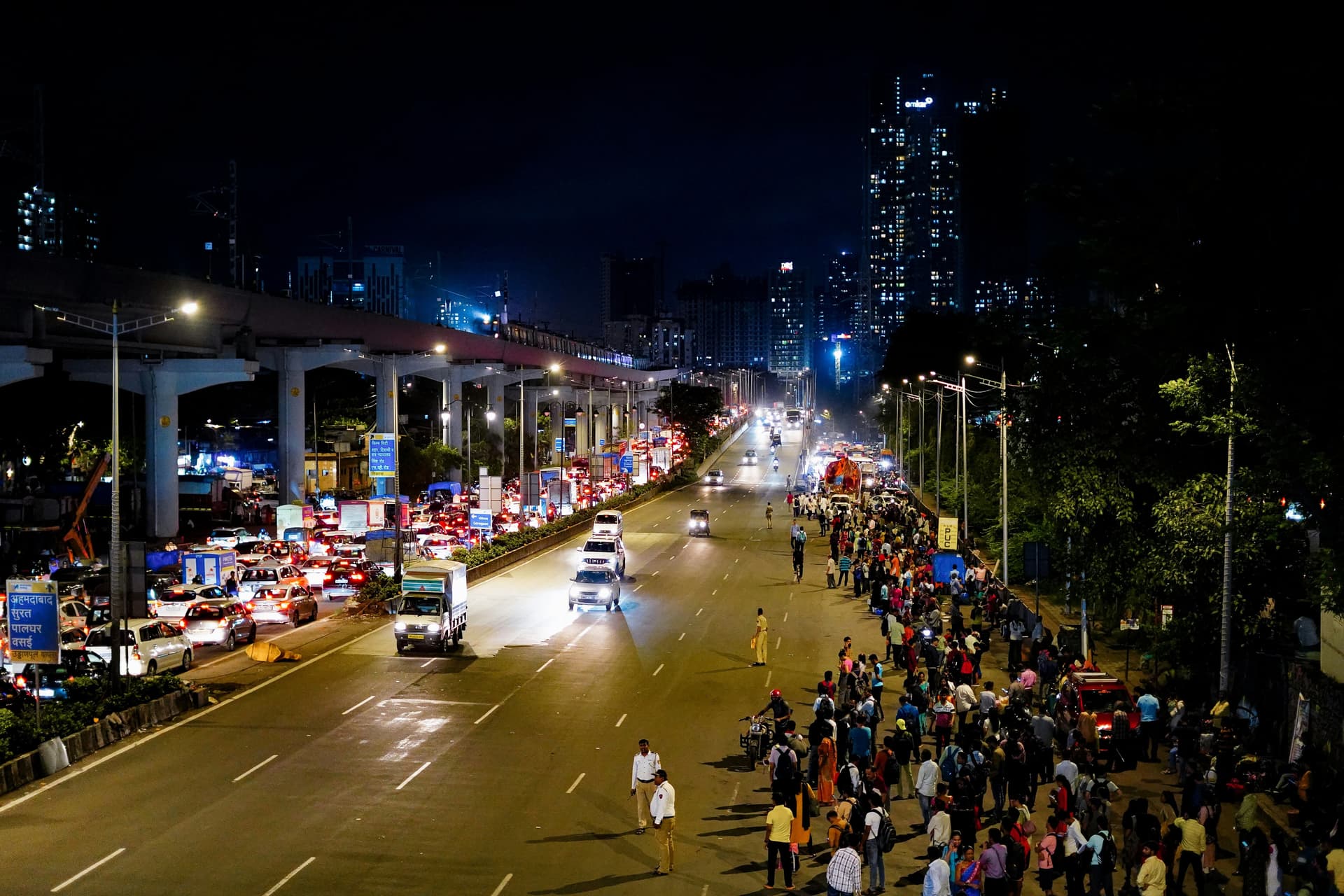
In the last few years, consumption in India has quietly but fundamentally shifted. The growth spurt is no longer confined to metro cities. Instead, a wave of demand is emerging from Tier-2, Tier-3 cities, and even rural India. Yet many brands and retailers continue to treat distribution as if demand still centres around a handful of big cities. That mismatch, between where demand now lives and where accessibility remains concentrated, is quickly becoming a structural disadvantage.
Below are key observations on this transformation, what it means for market access, and where companies need to re-calibrate.
Key Insights & Market Realities
Demand is migrating beyond metros: at scale.
India’s organized retail and consumer demand are increasingly driven by non-metro markets. Recent data shows that Tier-2 and Tier-3 cities, once fringe markets for branded retail, are now powering the next wave of growth. The share of new online and offline shoppers from these smaller cities has risen sharply: analysts estimate roughly 60% of e-commerce demand and organised retail growth now originates from Tier-2/3 or smaller towns, not from traditional metro hubs.
Overall market size is exploding, meaning demand potential is huge.
As of 2024, the broader Indian retail market is estimated at nearly US$ 993.1 billion. Projections show this could expand to more than US$ 3,400 billion by 2033 at a compound annual growth rate (CAGR) of ~13.2%. In parallel, the organized retail segment, which relies heavily on structured distribution and access, is forecast to grow significantly, with demand for accessible retail infrastructure rising accordingly.
Rural & semi-urban India is no longer a marginal demand pool. It's catching up fast.
Recent evidence suggests that rural and semi-urban markets are becoming central to consumption growth. For example, data on consumption expenditure shows rising per-capita consumption in rural areas, and narrowing gaps between rural and urban consumption metrics. Growth in non-food consumption (across personal care, durables, and lifestyle goods) is rising in rural markets, signaling a shift in patterns.
Retail footprint and infrastructure are still heavily skewed toward metros, creating an “accessibility gap.”
Despite surging demand from smaller and non-metro markets, much of India’s retail infrastructure—specifically organised retail stores, modern retail formats, and first-mile/last-mile supply chains—remains concentrated in metros and major cities. Reports suggest that the industry’s growth potential is heavily dependent on extending such infrastructure beyond metros. This skew creates a mismatch: there’s a growing base of aspirational, consumption-ready consumers, but limited structured access to brands, products, and retail experience.
The nature of “access” is evolving: not just physical, but digital + hybrid.
With rising internet penetration, UPI/digital payments, and smartphone adoption even in smaller towns, digital commerce is enabling consumers outside metros to access brands and products that were earlier limited to metros. However, digital access does not fully compensate for retail access; for many categories (such as fashion, consumables, and durables), physical availability and distribution still matter heavily for brand penetration and consumer trust.
Brands that treat metro-centric distribution as sufficient risk losing out on the bulk of future growth.
Given that 60%+ of demand growth is coming from non-metro regions, brands ignoring these markets are effectively writing off a majority of future market expansion. Retailers and brands that continue to “broadcast” from metros, without building distribution, supply-chain, fulfilment and retail presence in smaller towns, are leaving growth on the table.
Scaling access is not the same as geographic expansion; it’s about building the right infrastructure and distribution model.
To truly capture non-metro demand, businesses need to move beyond pop-up or occasional presence and invest in consistent supply-chain, inventory management, last-mile logistics, storefronts or hyperlocal delivery models. Given the fragmented nature of many Indian smaller towns, this means rethinking the traditional “urban first, rural later” roll-out logic.
Retail growth in India remains resilient, even in volatile macroeconomic conditions, because the demand base is broadening.
India’s retail market is buoyed by a rising middle-class, growing rural incomes, and increasing penetration of organised retail, factors helping cushion against macroeconomic headwinds. This makes a compelling case: building accessibility for non-metro demand isn’t just an opportunity; it’s a competitive necessity.
What This Means for Businesses & Market-Access Strategy
- Reassess market segmentation: It no longer makes sense to treat metros as the primary growth engine. Tier-2, Tier-3 and semi-urban/rural markets are becoming core to national growth.
- Build hybrid distribution models: Combine digital commerce, regional warehouses, regional distribution hubs, hyperlocal delivery, and smaller format stores, rather than relying solely on metro-based retail plus e-commerce.
- Localise merchandising and inventory mix: Demand from smaller cities and rural areas often differs: more value-driven, but increasingly aspirational. Tailored SKUs, price tiers and product mixes help.
- Leverage rising rural per-capita consumption and consumption diversification: As rural consumption patterns shift from staples to non-food/durables, there is a growing opportunity for lifestyle, consumer-durables, and premium-but-affordable products.
- Prioritise supply-chain resilience and reach: Ensuring last-mile and middle-mile logistics, often the biggest bottleneck in non-metro access, becomes as important as brand marketing.
- Expand retail footprint in non-metro areas, but do so strategically: Focus on towns with rising incomes, good connectivity, and digital readiness, often identified via data on per-capita consumption growth, online penetration, and demographic trends.
- Monitor changing demand geographies dynamically: Markets are shifting fast in India; periodic reassessment of demand, consumption patterns, and access gaps will help stay ahead.
Conclusion
The old playbook, of building presence first in metros and waiting for downstream demand to ripple outward, no longer works in India’s evolving retail landscape. Today, demand is emerging from unexpected geographies. The core challenge is not demand generation, but access.
If businesses continue to under-invest in distribution, supply-chain, fulfilment and local retail infrastructure outside traditional hubs, they risk missing out on the largest wave of growth India has seen.
The geography of demand has changed. If accessibility doesn’t catch up, the opportunity will slip away.
References: Entrepreneur.comEconomictimesIBEFIMARC